Alcoholism and drug addiction are one of the most pressing social problems of modern society.. These phenomena do not only affect individuals, but also families, team, and in general - the society and economy of the country. Their influence extends to medical, social, legal and economic aspects, making the issue of combating these dependencies relevant and multi-level.
What is alcoholism and drug addiction?
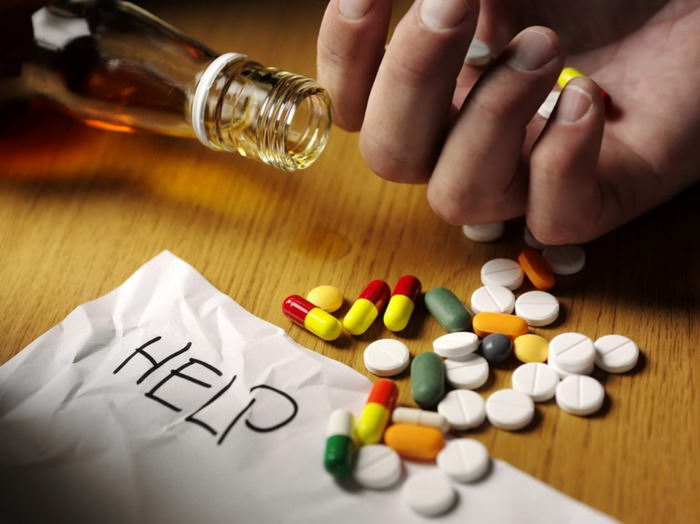
- Alcoholism is a chronic disease, associated with chronic or excessive consumption of alcoholic beverages, which leads to physical and psychological dependence.
- Addiction is a painful addiction to drugs, including both physical, and mental addiction.
Both forms of addiction destroy health, personal life and professional activities of a person, creating huge problems not only for the addict himself, but also for others.
Contact the Sanati Clinic, if you need narcologist at home in Moscow and areas, after all, an emergency and anonymous visit by a doctor is sometimes more necessary, than a personal visit.
Causes of alcoholism and drug addiction
The causes of addiction are varied and often involve several interrelated factors..
Psychological reasons
- Stress. Constant pressure at work, family conflicts or feelings of failure often push people to use alcohol or drugs as a way to temporarily escape problems.
- Low self-esteem. People, unsure of themselves, may resort to psychoactive substances, to feel more confident or “more normal”.
- Problems in socialization. Closedness, loneliness and difficulties in communicating with others often lead to a search for “support” in alcohol or drugs.
Social causes
- Environmental influence. Family traditions, where alcohol is regularly present at celebrations, or company, where drugs are considered “the norm”, have a strong influence on the formation of addiction.
- Popularization in the media. Romanticization of alcohol and drug use in films, clips or commercials contributes to their legitimization in the minds of viewers.
- Availability. Easy access to alcohol and some drugs makes it easier to start using them.
Genetic and physiological factors
- Heredity plays an important role: children of parents, suffering from addictions, have an increased risk of developing the same problems.
- Physiological features, such as low levels of certain enzymes or neurotransmitters, may make the body more susceptible to alcohol or drugs.
Consequences of alcoholism and drug addiction

Medical consequences
- For alcoholics: chronic liver diseases (cirrhosis, hepatitis), cardiovascular diseases, gastritis, pancreatitis, mental disorders.
- For drug addicts: destruction of internal organs, the weakening of the immune system, nervous system damage, overdose, risk of contracting HIV and hepatitis.
Social consequences
- Destruction of families: alcoholism and drug addiction often lead to divorce, loss of trust between family members, conflicts.
- Increase in crime: addicted people often commit crimes to get money for the next dose.
Economic consequences
- Decreased ability to work: addicted people are more likely to get sick and fail to cope with professional responsibilities.
- Increased spending on health care and law enforcement, related to the treatment and rehabilitation of addicts.
Psychological consequences
- Loss of identity: addicted people lose interest in life, friends and hobbies.
- Mental disorders, such as depression, psychosis, panic attacks.
Ways to solve the problem
Addiction Treatment
- Drug treatment. Using medications to relieve withdrawal symptoms, detoxifying the body and eliminating cravings for the substance.
- Psychotherapy. Working with a psychotherapist helps you understand the causes of addiction and learn to cope with them.
- Rehabilitation. In specialized centers, addicts undergo recovery programs, including psychological support, social adaptation and learning new skills.
Prevention
- Educational programs. Conducting lessons and lectures on the dangers of alcohol and drugs for schoolchildren and students.
- Social projects. Event organization, sports sections and clubs for youth, so that they have an alternative to destructive behavior.
- Limiting advertising and sales. Tighter control over the sale of alcohol and a ban on advertising may reduce its popularity.
Family support
- Family plays a key role in addiction treatment. Support from loved ones, their participation in rehabilitation and training in proper communication with an addict significantly increases the chances of success.
- Participation in family therapy helps improve relationships and eliminate possible causes of addiction..
Government measures
- Drug control. Strengthening the fight against drug trafficking and illegal alcohol sales.
- Support for medical and rehabilitation centers. Government funding makes treatment available to all those in need.
The role of society in the fight against addictions
Society must be prepared not only to condemn addicts, but also to support. The attitude towards these problems should be based on an understanding, that addiction is a disease, requiring treatment, not a reason for social stigmatization.
- Volunteer programs can help addicts find a way out and support them on the path to recovery.
- Creation of social centers to support the homeless, who often suffer from alcoholism and drug addiction.
- Promoting a healthy lifestyle through social networks and media.
Let's sum it up
Alcoholism and drug addiction remain complex social problems, but their solution is possible with an integrated approach. It is important not only to treat addicts, but also to prevent the development of these diseases through prevention, education and creation of a favorable social environment. Each of us can contribute to the fight against addictions, being patient, understanding and willingness to help.